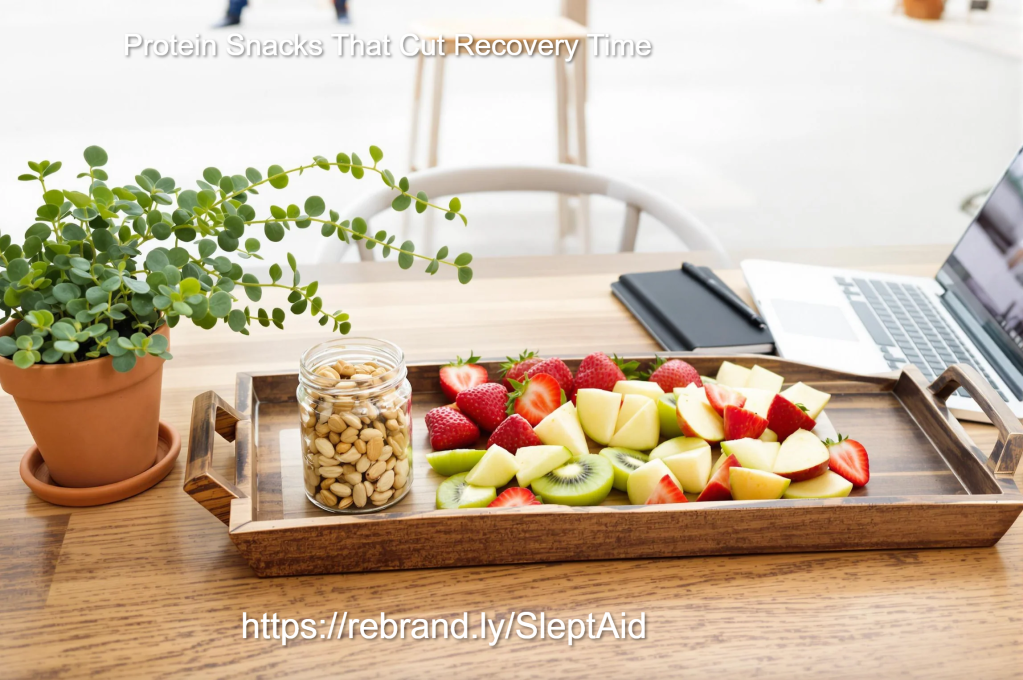
Protein Snacks for Muscle Recovery That Fix Sore Mornings
Last winter, a patient named Daniel limped into my clinic. He lifted three nights a week. He slept badly and woke up wrecked. His diet had one gap: almost no protein between lunch and the next morning.
Here is the surprising part. A 2018 review of 49 studies found that muscle gains keep rising until you reach about 1.6 grams of protein per kilogram of body weight each day. That is double the standard 0.8 g/kg guideline (Morton et al., British Journal of Sports Medicine).
This guide is for active people who want faster recovery, deeper sleep, fewer cramps, and calmer stress. Discover which high protein snacks work. Learn when to eat them. Find out how to build a quick recovery plan. You will get the science, real stories, a simple snack formula, and an FAQ.
Sore muscles and restless nights? Pair your protein snacks with the essential mineral many active people miss. Click to learn how it supports recovery, deeper sleep, and calmer evenings.
Problem: Slow Recovery After Exercise Is Costing You Progress
You train hard. Then the bill arrives. Your legs ache for three days. A cramp grabs your calf at 2 a.m. You skip the next session because you feel flat.
Slow recovery after exercise is common, and it hurts more than your gym log. Poor sleep and high stress feed each other. One health feature links poor sleep to higher risks of anxiety, depression, and foggy thinking (Columbia Gorge News).
Your muscles need raw material to repair. Protein supplies it, so muscle repair nutrition anchors any fitness nutrition tips worth following. The International Society of Sports Nutrition (ISSN) says exercise and protein both switch on muscle building, and they work best together. The effect of a workout also lasts at least 24 hours (Jäger et al., 2017).
Lead author Ralf Jäger put it plainly: “Protein is the most important ingredient in sports nutrition and for muscle health” (NutraIngredients-USA).
In short: your recovery window stays open for a full day, and protein snacks support muscle soreness recovery.
Your turn: How long does soreness last after a hard session? Share your number in the comments.
Pain Points: Post-Workout Nutrition Mistakes That Stall Muscle Repair
Most people do not lack effort. They trip over the same few habits:
- Skipping the snack. You wait for a late dinner and leave your muscles hungry for hours.
- Loading protein into one meal. The ISSN suggests spreading protein doses across the day, roughly every 3 to 4 hours.
- Grabbing sugar instead of protein rich foods. A candy bar gives you energy, not repair material.
- Eating too little overall. The ISSN says 1.4 to 2.0 g/kg per day suits most exercising people.
- Forgetting fluids. A small 2016 study by Seery and Jakeman suggests milk after dehydrating exercise can help restore fluid balance (IDEA Health & Fitness summary).
- Expecting a miracle. Stuart Phillips, senior author of the 2018 McMaster review, cautions that protein’s effects are smaller than supplement marketing implies (NutritionInsight).
A word on cramps. I can’t point to a study showing protein alone stops them. Cramps have many causes. See your doctor if they strike often.
In short: fix timing, total intake, and fluids before you chase fancy products.
Your turn: Which of these mistakes sounds like your week? Tell me in the comments.
Watch this video: Feeling Sore After Exercise? Try Protein Snacks That Cut Recovery Time!
Real-Life Muscle Recovery Stories: How Healthy Protein Snacks Changed Seven Routines
Daniel, 34, accountant. He lifted at night and woke up stiff. He added Greek yogurt after training and cottage cheese before bed. Soreness faded sooner and he slept through more nights.
Mei Ling, 29, marathon runner. Her long runs left her drained for days. She started eating two boiled eggs and a banana right after. She now keeps her weekend long run on schedule.
Rahul, 45, desk-bound dad. Stress and 3 p.m. crashes ruled his week. A peanut butter banana snack before his gym session steadied his energy. He stopped skipping workouts.
Siti, 52, new gym member. She worried about keeping muscle as she aged. Research shows older adults respond less to protein, so she raised her portions at each meal (Morton et al., 2018). Her stairs feel easier now.
The Tan family. Two teens play school sports, and both parents run. They blend a homemade protein smoothie on Sundays and portion it out. Weeknight mornings run smoother.
Marcus, 22, rugby player. He tossed egg yolks to “save protein.” Then he learned whole eggs outperformed whites in one study (more below). He eats the yolk now and feels fuller.
Aisha, 38, night-shift nurse. Daytime sleep never felt deep. She tried a small casein-rich snack before bed. She wakes up less achy.
Your turn: Which story feels closest to yours? Share your own routine in the comments.
Exploration: The Best Protein Snacks After a Workout, Backed by Research
Let’s look at the best protein snacks, the best snacks after exercise, and the best foods for muscle repair. We’ll check what studies say about protein for muscle growth too. These quick protein snacks, from easy high protein snacks to snacks for athletes, take minutes to prep. [Internal link: easy high protein snack recipes]
How Much Protein Your Muscles Need for Recovery
The ISSN recommends about 0.25 g of high-quality protein per kilogram of body weight per meal, or 20 to 40 g (Jäger et al., 2017). The 2018 McMaster review also found that food source and time of day did not change results. Your total daily protein intake for recovery matters most. Morton, the lead author, said the review “puts that debate to rest” (McMaster University).
Greek Yogurt Protein Snack

In a 12-week trial, young men ate 200 g of Greek yogurt (about 20 g protein) three times on training days. They gained more strength, muscle thickness, and lean mass than men who ate a carbohydrate pudding (Bridge et al., Frontiers in Nutrition, 2019). The men were lean and untrained, so results may differ for you.
Eggs for Muscle Recovery

University of Illinois researchers led by Nicholas Burd tested 10 resistance-trained men. Whole eggs triggered more muscle protein synthesis than egg whites with the same 18 g of protein (van Vliet et al., American Journal of Clinical Nutrition, 2017). The university’s release put the difference near 40 percent (The Poultry Site). A newer trial of 65 adults found six foods, including lentils, raised muscle protein synthesis similarly (Biolaynereview). Eat the yolk, but don’t stress over the source.
Cottage Cheese Protein Before Bed

Cottage cheese is rich in casein, a slow-digesting protein. The ISSN says 30 to 40 g of casein before sleep raises overnight muscle building. A 2012 Maastricht study found about 22 percent higher overnight muscle protein synthesis after 40 g of casein (summary in Ironman Magazine). A Florida State team led by Michael Ormsbee found cottage cheese and a casein supplement gave women a similar next-morning metabolic response (British Journal of Nutrition, 2018). A cup gets you close to the studied dose.
Peanut Butter Banana Snack
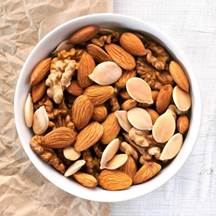
No trial tests this exact combo. The logic comes from the ISSN: endurance athletes need carbohydrate, and protein may help offset muscle damage. Peanut butter on a banana covers both.
Homemade Protein Smoothie
Blend milk, fruit, and a scoop of protein. In one study, novice lifters who drank fat-free milk after training gained more lean mass than those who drank soy or a carbohydrate drink (Hartman et al., 2007).
In short: the best muscle recovery tips are simple. Pick any snack that gives you 20 to 40 g of protein, then repeat it daily.
Your turn: Which of these muscle recovery foods do you eat already? Which will you try this week?
Climax: Your 4-Step Snack Formula for Faster Recovery After Exercise
Here is the key moment. You do not need a perfect plan. You need a repeatable one. Protein snacks that cut recovery time work best as healthy eating habits you repeat.
- Eat protein snacks after workout sessions: 20 to 40 g soon after training. The ISSN says benefits come from eating before or after, and exercise keeps working for at least 24 hours. Missing a “window” by an hour is fine.
- Add carbs for a balanced post workout meal after long or hard sessions. Pack healthy snacks for the gym: banana, oats, or fruit with your protein.
- Space protein every 3 to 4 hours. This keeps your daily protein intake for recovery on track.
- Try 30 to 40 g of casein before bed if you train late. Cottage cheese or Greek yogurt fits.
What about sleep? Purdue researchers (2016) found that overweight adults eating more protein while dieting reported better sleep (PMC). Other short studies disagree, so treat it as promising, not proven.
In short: same four steps, every day, beat any fancy product.
Your turn: Which step is easiest for you? Which one will you test first?
Waking up with cramps? Find out how the right mineral, alongside your post workout snacks, may support muscle relaxation and deeper sleep. Click to learn more.
Conclusion: Key Takeaways on Protein Snacks That Cut Recovery Time
Protein snacks give tired muscles the material they need, and smart nutrition for active people starts there. The best ones are simple, quick, and easy to repeat.
- Aim for 1.4 to 2.0 g of protein per kg per day, spread across meals.
- Eat 20 to 40 g of protein after training. Timing is flexible, but earlier helps.
- Greek yogurt, eggs, and cottage cheese all have research behind them.
- A 30 to 40 g casein snack before bed supports overnight repair.
- Protein helps, but training, sleep, and fluids do the heavy lifting.
Think about it: What changed most for you after you improved your post workout nutrition? What do you still struggle with? Drop your answers below.
Call to Action: Start Your Muscle Recovery Routine Tonight
Don’t wait for Monday. Do these three things in the next 24 hours to improve workout recovery:
- Pick one snack from this list and buy it today.
- Set a phone reminder for 30 minutes after your next workout.
- Tell us in the comments which snack you chose.
Know a friend with sore mornings? Share this post on Facebook, WhatsApp, or Instagram. : sleep and recovery guide
Frequently Asked Questions About Protein Snacks and Muscle Recovery
Q1-What are the best protein snacks after a workout?
Greek yogurt, boiled eggs, cottage cheese, a milk-based smoothie, and a peanut butter banana snack all work as healthy protein snacks and protein foods for fitness. Aim for 20 to 40 g of protein.
Q2-How much protein do I need for muscle recovery?
The ISSN says 1.4 to 2.0 g per kg of body weight per day suits most exercising people (Jäger et al., 2017). Gains from supplementation leveled off near 1.6 g/kg in one large review (Morton et al., 2018).
Q3-Do I have to eat protein right after exercise?
No. The effect of a workout lasts at least 24 hours, so a short delay is fine. Eating sooner still helps if you are hungry.
Q4-Is cottage cheese a good snack before bed?
Yes, for most people. It is rich in casein, and 30 to 40 g before sleep raised overnight muscle building in studies. Skip it if dairy upsets your stomach.
Q5-Do eggs help muscle recovery?
They can. Whole eggs beat egg whites in one small trial, though a later trial found many foods worked similarly. Eggs are cheap and easy, so they earn a spot.
Q6-Can protein snacks help me sleep better?
Maybe. Purdue researchers found better sleep in dieting adults who ate more protein. Other studies disagree. Treat sleep as a possible bonus.
Q7-Can protein stop muscle cramps?
No study I found shows that. Cramps have many causes, including fluid loss and heavy training. Talk to your doctor if they keep coming back, and check with them before big diet changes if you have kidney disease or allergies.
References
- Morton RW, et al. (2018). Protein supplementation and resistance training gains. British Journal of Sports Medicine
- Jäger R, et al. (2017). ISSN Position Stand: protein and exercise. Journal of the ISSN
- Bridge A, et al. (2019). Greek yogurt and 12 weeks of exercise training. Frontiers in Nutrition
- van Vliet S, et al. (2017). Whole eggs versus egg whites after exercise. American Journal of Clinical Nutrition
- Hartman JW, et al. (2007). Fat-free milk after resistance exercise. American Journal of Clinical Nutrition
- Higher protein and sleep in dieting adults (Purdue, 2016). PMC
- Ormsbee MJ, et al. (2018). Pre-sleep cottage cheese versus casein. British Journal of Nutrition
- Res PT, et al. (2012), as summarized by Ironman Magazine
- McMaster University news release and NutritionInsight
- NutraIngredients-USA on the ISSN stand
- Biolayne review of whole foods versus isolated protein
- IDEA Health & Fitness on dairy and recovery
- Columbia Gorge News on protein and sleep
For more reading on muscle recovery:
- Magnesium for Muscle Recovery: The Science, Benefits & Testimonials
- Optimize Muscle Recovery: Foam Rolling, Stretching, & Hydration Tips
- 4 Easy Vegetarian Recipes for Sore Muscle Recovery
- Fast Muscle Soreness Recovery: Proven Post-Workout Techniques
- 5 Post-Exercise Recovery Smoothie Recipes for Muscle Repair and Energy Replenishment
- Cherries: Your Secret to Better Sleep and Recovery
- Top 10 Foods for Faster Muscle Repair | Expert Recommendations Included
- Maximize Your Fitness Recovery: The Science Behind Rest Days
- 5 Essential Post-Exercise Recovery Techniques for Peak Fitness
- How Proteolytic Enzymes Contribute Greatly to Our Muscle Health


