
Tired of Being Tired? Here’s How to Actually Fix It
A patient of mine, I’ll call her Monica, once told me she’d tried everything for her sleep: blackout curtains, a white noise machine, three different mattresses. Nothing stuck. When I finally asked about her evening routine, she laughed and said, “Routine? I fall asleep with my phone on my chest most nights.”
That one detail told me more than any sleep tracker could have.
Here’s a statistic that might surprise you: according to a 2026 CDC report, roughly 30.5 percent of U.S. adults slept less than seven hours a night on average in 2024, and only a little more than half of adults said they woke up feeling genuinely well-rested most days. That’s not a small problem. That’s most of the people you know.
If you’re someone who wants better sleep, fewer nighttime muscle cramps, faster recovery, and a calmer nervous system, this post is for you. Discover the real reasons your sleep quality might be slipping, learn practical, doctor-backed sleep tips you can start tonight, and find out how a few small changes to your bedtime routine can transform how you feel every morning. Let’s read on.
The Problem: Why So Many of Us Are Quietly Exhausted
Poor sleep rarely announces itself with one dramatic night. It creeps in slowly, a late scroll here, a stressful week there, until “tired” just becomes your default setting.
The scale of this is bigger than most people realize. That same CDC data found that women were notably more likely than men to report trouble falling asleep, at 18.5 percent compared to 12.2 percent, and adults in midlife, ages 50 to 64, had the highest rates of short sleep of any age group. If you’re in this stage of life and struggling, you’re not imagining it. You’re in the group most affected.
Poor sleep quality doesn’t stay contained to your nights either. It spills into your stress levels, your muscle recovery, and your ability to manage anxiety during the day. Sleep researchers consistently describe this as a two-way relationship: poor sleep raises stress hormones, and elevated stress makes it harder to fall and stay asleep, creating a loop that can quietly run for years if nothing interrupts it.
I see this constantly in practice. Someone comes in convinced their problem is anxiety, or fatigue, or muscle recovery, and once we dig into their nights, the real story is a sleep pattern that’s been quietly broken for months. Fixing the sleep often does more for the anxiety, the energy, and the recovery than addressing each of those symptoms separately ever could.
Do you notice your sleep getting worse during stressful stretches of life? I’d love to hear how the two connect for you in the comments.
The Pain Points: What’s Actually Getting in the Way of Restful Sleep
Most people don’t struggle with sleep because they don’t care about it. They struggle because a few common habits quietly sabotage it every night.
See if any of these sound familiar:
- Inconsistent sleep and wake times, even on weekends, which confuse your internal body clock.
- Screens in bed, delaying melatonin release right when your body should be winding down.
- No real wind-down routine, going from full activity to “lights off” with nothing in between.
- Nighttime muscle cramps, jolting you awake and making it hard to fall back asleep.
- Racing thoughts and stress, especially once the room goes quiet and there’s nothing left to distract you.
- Caffeine or alcohol too close to bedtime, disrupting both how fast you fall asleep and how deep that sleep actually is.
Recognize yourself in a few of these? You’re not broken, and you’re definitely not alone. These are fixable habits, not permanent traits.
The Solution: Building Healthy Sleep Habits That Actually Stick
Here’s what I tell patients like Monica. You don’t need a perfect routine. You need a few consistent anchors that signal to your body it’s time to rest.
Think of these as five levers, not five separate projects. You don’t need to pull all of them on day one. Pick the lever that matches your biggest pain point right now, whether that’s an erratic schedule, a racing mind, or nighttime cramps, and start there.
#1. Protect a Consistent Sleep Schedule
Going to bed and waking up at roughly the same time daily, weekends included, is one of the most effective ways to stabilize your sleep routine. Your body’s internal clock thrives on predictability.
#2. Build a Real Wind-Down Routine
Give yourself 30 to 60 minutes before bed as a buffer, not a cutoff.
A calming bedtime routine might include:
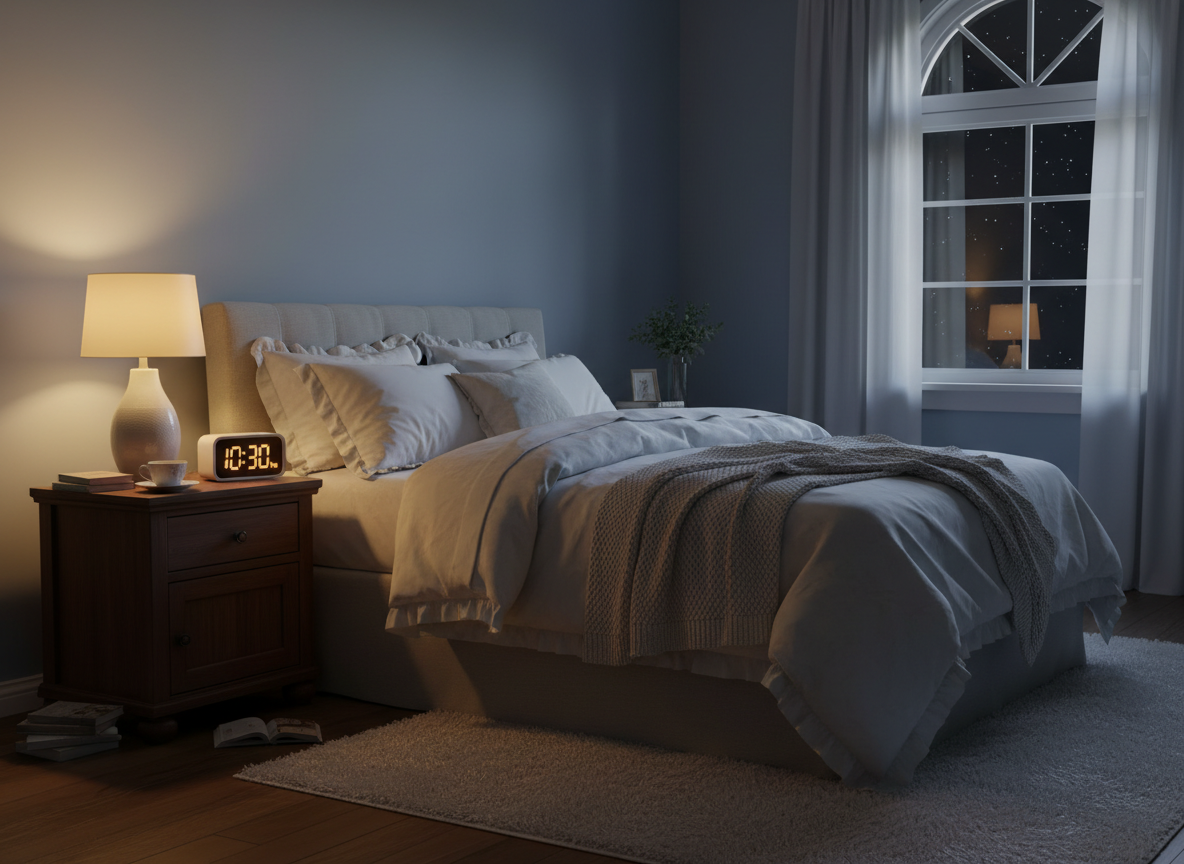
- Dimming the lights an hour before bed
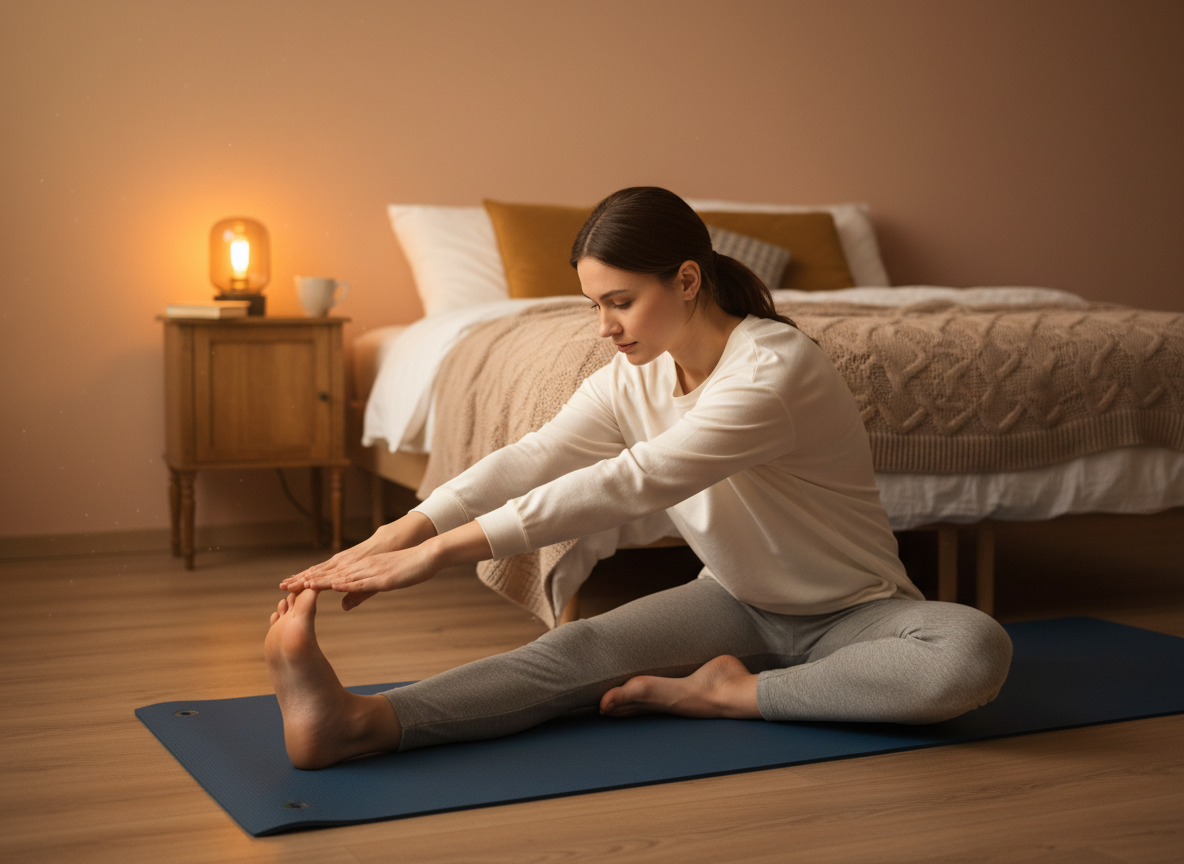
- Light stretching or gentle movement
- Reading a physical book instead of scrolling
- A warm shower to relax tense muscles
- A few minutes of slow, deep breathing
#3. Manage Nighttime Muscle Cramps Smartly

If leg cramps are waking you up, you’re far from alone. Interestingly, the evidence on magnesium supplements for nighttime cramps is mixed.
Some randomized trials have found magnesium oxide can modestly reduce cramp frequency and improve sleep quality over 60 days, while other reviews conclude it likely doesn’t help the general population much unless a true deficiency is present. Rather than relying on supplements alone, try:
- Gentle calf and hamstring stretches before bed
- Staying well hydrated throughout the day, not just at night
- A warm bath or heating pad on tense muscles before sleep
- Talking to your doctor if cramps are frequent, since they can sometimes signal a deficiency or medication side effect worth addressing directly
#4. Manage Stress Before It Reaches Your Pillow
You can’t out-stretch a racing mind.
Try:
- Writing down tomorrow’s to-do list before bed, so your brain can let it go
- A short body scan or five minutes of slow breathing
- Journaling three lines about your day, good or bad, to create closure
#5. Get Morning Light and Daytime Movement
Sleep quality starts long before bedtime. Morning sunlight helps regulate your circadian rhythm, and regular daytime movement, even a walk, improves both how fast you fall asleep and how deep that sleep tends to be.
Which of these feels most doable for you to start tonight? Tell me in the comments, and I’ll help you build from there.
Watch this video: Can’t Sleep Well? Tips to Have Better Sleep and Quality Sleep Starting Tonight
Real People, Real Rest: Sleep Transformation Stories
I’ve adapted the following stories from patients I’ve worked with, with names changed for privacy.

Monica, 44, marketing manager: Once she moved her phone out of the bedroom and added a 20-minute wind-down routine, Monica told me she started falling asleep in half the time.
David, 52, contractor: Years of physically demanding work left David with frequent nighttime leg cramps. Adding gentle calf stretches and better hydration through the day cut his cramps down noticeably within a few weeks.

Priya, 38, nurse: Rotating shifts made a consistent schedule feel impossible. Priya focused instead on a consistent wind-down routine regardless of what time she went to bed, and her sleep quality improved even without a fixed clock.
Tom, 60, retired engineer: Tom assumed poor sleep was just part of getting older. A consistent bedtime, less evening caffeine, and a short breathing practice helped him wake up without the fog he’d accepted as normal.
Angela, 35, new mother: Sleep felt impossible to control with a newborn. Angela focused on what she could control, morning light exposure and a calming pre-bed routine during the stretches she did sleep, and noticed real gains in how rested she felt.
Marcus, 47, small business owner: Constant stress kept Marcus’s mind racing at night. A simple three-line journaling habit before bed gave his thoughts somewhere to go besides around in circles.
Have you ever made one small sleep change that had a bigger impact than you expected? Share your story below.
The Turning Point: Why Small Sleep Habits Create Big Results
Here’s what surprises most people. None of these changes are dramatic on their own. A consistent bedtime. A phone out of reach. A few slow breaths. But sleep researchers point to something called sleep hygiene, the cumulative effect of small, consistent nightly habits, as one of the most reliable non-medication tools for improving rest.
This matters because sleep isn’t just about quantity. The CDC data shows a meaningful number of adults get close to seven hours but still don’t wake up feeling rested, which points to quality, not just duration, as the real target.
This is the moment quality sleep stops feeling like a matter of luck and starts feeling like something you can actually build, one consistent night at a time.
I’ve watched patients go from dreading their alarm to genuinely waking up before it. It rarely happens overnight, no pun intended. It happens gradually, as small habits compound: a slightly earlier wind-down, a slightly darker room, a slightly calmer mind. Give it a few consistent weeks before judging whether it’s working.
Key Takeaways: Better Sleep, Summarized
- Nearly a third of U.S. adults consistently get less sleep than recommended, and even more don’t wake up feeling rested.
- Poor sleep and stress feed each other in a loop that consistent habits can interrupt.
- A real wind-down routine, not just a bedtime, is what actually signals your body to rest.
- Nighttime muscle cramps respond better to stretching and hydration than to magnesium alone for most people.
- Morning light and daytime movement quietly shape how well you sleep that night.
You don’t need to fix everything at once. Pick one habit, build it consistently, and let the rest follow.
Take Action: Start Tonight
You’ve read the research. You’ve seen the stories. Now it’s your turn.
Tonight, pick one change from this post and commit to it for the next seven nights. Move your phone out of arm’s reach, dim the lights an hour early, or try three slow breaths before you close your eyes.
Then come back and tell me how it went. Share your experience in the comments, ask questions if something isn’t working, and pass this post along to a friend who’s been running on empty. Better sleep is one of the most generous things you can give someone you care about.
This post is for general education and isn’t a substitute for personalized medical advice. If sleep problems are severe, persistent, or affecting your daily functioning, please talk with a doctor.
Frequently Asked Questions About Better Sleep
#1. How many hours of sleep do adults actually need?
Most adults need at least seven hours per night. Roughly a third of U.S. adults currently get less than that regularly.
#2. Why do I wake up tired even after a full night’s sleep?
Sleep quality matters as much as sleep quantity. Frequent waking, screen exposure before bed, and stress can all reduce how restorative your sleep actually is, even if you’re technically in bed long enough.
#3. Does magnesium actually help with sleep and muscle cramps?
The evidence is mixed. Some studies show modest benefits, especially for people with a true magnesium deficiency, while others show little to no effect in the general population. Stretching and hydration are more consistently helpful for cramps.
#4. What’s the best bedtime routine for better sleep?
A consistent 30 to 60-minute wind-down period works best, including dim lighting, no screens, and a calming activity like reading, stretching, or slow breathing.
#5. Can stress really affect how well I sleep?
Yes. Stress and poor sleep influence each other directly. Managing stress before bed, through journaling or breathing exercises, often improves sleep onset and quality.
#6. Is it bad to sleep in on weekends to catch up?
Wildly inconsistent sleep and wake times, even to “catch up,” can confuse your internal clock and make weekday sleep harder. A consistent schedule works better long-term.
#7. How long does it take to notice better sleep after changing habits?
Many people notice improvement within one to two weeks of consistent changes, though full benefits often build over a month or more.
#8. Should I see a doctor about my sleep problems?
Yes, if trouble sleeping is frequent, severe, or paired with daytime exhaustion, loud snoring, or other symptoms. These can sometimes signal an underlying sleep disorder worth evaluating directly.
What’s one sleep habit you’re going to try tonight? Let me know in the comments, and share this post with someone who could use a better night’s rest.
For more readings on stress relief:
- Mindfulness Techniques for Stress Relief: Transform Your Mental Wellbeing
- Zen Lifestyle: Yoga and Magnesium Stress Relief Guide
- How to Incorporate Mindfulness into Your Daily Routine for Stress Relief
- 10 Proven Techniques to Reduce Work Stress
- Quick and Easy Stress Reduction Tips for a Happier, Healthier You
- The Top Stress Reduction Techniques You Need to Try Right Now
- Mastering Stress: Techniques for a Calmer You
- The Gut-Brain Connection – How Stress Can Cause Gut Problems


