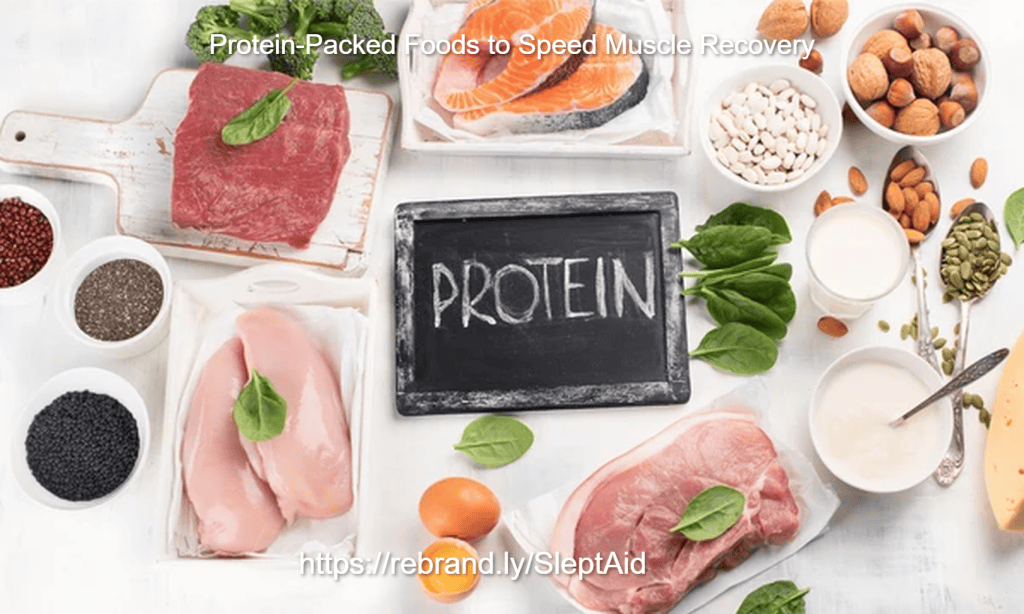
Sore, Stiff, and Stuck? Here’s Why Your Plate Matters as Much as Your Workout
A patient of mine, I’ll call him Danny, came into my office after his first month back at the gym, frustrated and a little defeated. “Doc, I’m doing everything right,” he said. “I train hard, I stretch, I even ice my knees. So why am I still sore three days later?” When I asked what he ate after his workouts, he shrugged. “Coffee, and whatever’s around at lunch.”
That’s the missing piece for so many people. You can do everything right in the gym and still short-circuit your own recovery if your plate doesn’t back up your effort.
Here’s a number that tends to stop people mid-bite: the International Society of Sports Nutrition’s position stand on protein and exercise notes that active individuals typically need somewhere between 1.4 and 2.0 grams of protein per kilogram of body weight daily, noticeably more than the general population guideline, yet many active adults still fall short. That gap, multiplied over weeks and months, is often the real reason behind nagging soreness, slow strength gains, and workouts that feel harder than they should.
If you’re someone who wants to improve your overall health, sleep better, reduce muscle cramps, recover faster, and keep stress in check, this post is for you. Discover why protein-packed foods matter so much for muscle recovery nutrition, learn exactly which high protein foods do the heaviest lifting, and find out how to build a simple, sustainable post workout nutrition routine you can actually stick with. Let’s read on.
The Problem: Your Muscles Can’t Rebuild What You Don’t Give Them
Every workout, whether it’s a run, a weightlifting session, or an hour of yard work, creates microscopic damage in your muscle fibers. That’s not a bad thing. It’s actually the trigger for your body to rebuild those fibers stronger than before. But rebuilding requires raw material, and that raw material is protein.
Without enough protein for muscle growth and repair, your body is left trying to patch damage with insufficient supplies. The result is exactly what Danny described: lingering soreness, slower strength gains, and a nagging sense that your recovery just isn’t keeping pace with your effort.
Researchers have spent decades refining what’s known as the “anabolic response,” the process by which your body uses dietary protein to repair and build muscle tissue. A 2018 systematic review published in the Journal of the International Society of Sports Nutrition found that your body needs a specific, meaningful dose of high-quality protein, generally in the range of 0.4 grams per kilogram of body weight per meal, to meaningfully switch on muscle repair and growth, not just a token amount sprinkled throughout the day.
I think of it like a construction crew. You can have the best blueprint and the most motivated workers, but if the materials truck shows up empty, nothing gets built. Protein-rich foods are your materials truck. Skip them, or send too little too often, and your body simply can’t do the rebuilding work your workouts are asking for.
Have you ever noticed you’re more sore or more fatigued after workouts on days when you didn’t eat much protein? I’d love to hear your experience in the comments.
Unlock Faster Recovery, One Plate at a Time: The Everyday Protein Foods Your Muscles Are Waiting For (Discover Them Below)!
The Pain Points: Why So Many Active People Fall Short on Protein
If you’ve been training consistently but still feel like your recovery lags behind, you’re far from alone. Here’s what I hear most often:
- You eat protein, just not enough of it. A few eggs or a small chicken breast here and there adds up to less than you think.
- Your protein is backloaded into dinner, after a protein-light breakfast and lunch.
- You’re not sure which foods actually count as “high protein.” The confusion leads to guesswork.
- Post-workout nutrition feels complicated, so many people just skip it entirely.
- Plant-based eaters worry they can’t get enough, even though it’s entirely possible with the right foods.
- Busy schedules push protein to the bottom of the priority list. It’s easier to grab a granola bar than to plan a protein-rich meal.
Recognize a few of these? The encouraging news is that closing this gap doesn’t require a complicated overhaul. It requires knowing which foods pull the most weight and building a few simple habits around them.
The Solution: Building Your Plate Around Foods for Muscle Repair
Here’s what I walk patients through when we talk about muscle recovery diet strategy. The goal isn’t perfection. It’s consistency, built around a core list of protein-rich foods you can rotate through the week.
Step 1: Know Your Target
Active adults generally need meaningfully more protein than sedentary individuals to support muscle repair and growth. As noted above, the ISSN position stand points to roughly 1.4 to 2.0 grams per kilogram of body weight daily for people who train regularly, well above general population guidelines. Rather than fixating on a single perfect number, aim to include a protein-rich food at every meal, not just dinner.
Step 2: Spread It Out, Don’t Backload It
One of the more practical findings from muscle recovery nutrition research comes from exercise scientists Brad Schoenfeld and Alan Aragon, whose review concluded that spreading protein across roughly three to four meals tends to support better muscle repair and growth than cramming it all into one sitting. Your body can only use so much at once, so a moderate, well-sized portion at breakfast, lunch, a post-workout snack, and dinner tends to work better than skipping breakfast and eating a giant steak at 8 p.m.
Step 3: Reach for These Animal Protein Foods
- Chicken breast — Lean, versatile, and one of the most reliable high protein foods for any meal.
- Eggs — Affordable, complete, and genuinely excellent for muscle recovery, eggs deliver high-quality protein along with nutrients that support overall recovery.
- Salmon — Beyond protein, salmon for muscle recovery brings omega-3 fatty acids. A 2021 review in the journal Nutrients found omega-3 supplementation may help modulate the inflammatory response triggered by muscle-damaging exercise.
- Greek yogurt — A convenient, protein-dense snack. Greek yogurt benefits extend beyond protein content to gut-friendly probiotics in many varieties.
- Cottage cheese — Often overlooked, cottage cheese protein is slow-digesting, making it a smart bedtime snack to support overnight recovery.
Step 4: Don’t Overlook Plant-Based Protein Foods
You don’t need to eat meat at every meal to hit your targets. Plant-based protein foods like these deserve a regular spot on your plate:
- Beans and lentils — Combine with fiber and slow-digesting carbs to support both recovery and stable energy.
- Tofu and edamame — Complete plant proteins that work well in almost any cuisine.
- Quinoa — A complete protein grain that pairs well with vegetables and legumes.
- Nuts and nut butters — Less protein-dense, but a useful addition alongside other protein-rich foods.
Step 5: Build Smarter Post-Workout Meals
For what to eat after workout, aim for a combination of protein and carbohydrates within a couple of hours of finishing. A few post workout meal ideas I recommend:
- Greek yogurt with berries and a drizzle of honey
- Scrambled eggs with whole-grain toast
- Grilled chicken breast with rice and roasted vegetables
- A smoothie with Greek yogurt, a banana, and a handful of spinach
- Salmon with quinoa and steamed broccoli
Which of these swaps feels most realistic for your week, spreading protein across meals, or trying a new post-workout combo? Tell me below.
Watch this video: Protein-Packed Foods to Speed Muscle Recovery: 7 Powerful Choices!
Real Stories: How Protein-Packed Eating Changed Recovery for These People
I’ve adapted these stories from patients and clients I’ve worked with, with names changed for privacy.
Danny, 38, returning to the gym after years off: Once Danny started eating eggs at breakfast and chicken or salmon at lunch, instead of saving all his protein for dinner, his three-day soreness cycle shortened to about a day and a half within a few weeks.
Renata, 45, marathon trainer: Renata assumed her fatigue was purely about mileage. Adding cottage cheese before bed and a protein-rich breakfast made a noticeable difference in how fresh her legs felt on morning runs.
Theo, 29, plant-based athlete: Theo worried he couldn’t hit his protein needs without meat. Building meals around lentils, tofu, and quinoa, with careful attention to variety, proved him wrong within a month.
Carmen, 52, busy working mother: Between work and three kids, Carmen never had time to plan meals. Batch-cooking hard-boiled eggs and grilled chicken breast on Sundays gave her grab-and-go high protein foods all week.
Walter, 61, recovering from knee surgery: Walter’s physical therapist emphasized that protein mattered just as much during rehab as during workouts. Adding Greek yogurt and salmon supported his strength rebuilding alongside his exercises.
Priya, 33, group fitness instructor: Teaching multiple classes a day left Priya constantly sore. Spacing her protein across four smaller meals, rather than two large ones, noticeably reduced her next-day fatigue.
Marcus, 41, weekend warrior: Marcus trained hard on weekends but ate poorly during the week. Simply adding beans and lentils to his weekday lunches gave his body what it needed to actually recover before his next session.
Have you ever changed your eating pattern and noticed a real difference in how your body recovered? Share your story in the comments below.
The Turning Point: Why Protein Timing and Variety Matter More Than Any Single “Super Food”
Here’s the moment this clicks for most people. There’s no single magic food that will transform your recovery overnight. What actually moves the needle is a consistent pattern: enough total protein, spread sensibly across the day, from a variety of healthy protein sources.
Nutrition researchers studying post exercise nutrition have found that the combination of adequate total intake and smart distribution across meals tends to outperform any one “hack” or trendy supplement. That’s good news, because it means you don’t need to be perfect. You need to be consistent.
I’ve watched patients like Danny and Renata go from feeling constantly behind on recovery to feeling like their bodies are finally keeping up with their training. It’s rarely one dramatic change. It’s breakfast with eggs instead of just coffee, a Greek yogurt snack instead of a granola bar, and a post-workout meal that actually includes protein.
Unlock Stronger, Faster Recovery: The Protein-Packed Foods Your Muscles Have Been Missing (Start Eating Smarter Today)!
Key Takeaways: Protein-Packed Foods for Muscle Recovery, Summarized
- Muscle repair requires adequate dietary protein; falling short slows recovery and can leave you sore longer than necessary.
- Spreading protein across three to four meals tends to support better muscle repair and growth than backloading it into one large dinner.
- Animal protein foods like chicken breast, eggs, salmon, Greek yogurt, and cottage cheese are reliable, versatile choices.
- Plant-based protein foods like beans, lentils, tofu, and quinoa can fully support muscle recovery nutrition without meat.
- Post-workout meals combining protein and carbohydrates, eaten within a couple of hours of training, support more effective recovery after exercise.
- Consistency and variety matter more than any single “super food” or supplement.
Take Action: Start Rebuilding Your Recovery Today
You don’t need a complicated meal plan or an expensive supplement cabinet. You need a grocery list built around real, protein-packed foods and a habit of including one at every meal.
This week, try adding a high-protein food to your next three meals, starting with your very next one. Eggs at breakfast, a chicken or lentil salad at lunch, salmon or tofu at dinner. Notice how your energy and soreness feel by the end of the week.
Then come back and tell me how it goes. Share your favorite post workout meal ideas in the comments, ask questions if you’re not sure where to start, and pass this post along to a training partner or friend who’s been pushing hard but not eating smart.
This post is for general education and isn’t a substitute for personalized medical or nutritional advice. If you have kidney disease, are managing a chronic health condition, or are unsure how much protein is right for you, please talk with your doctor or a registered dietitian before making major changes to your diet.
Frequently Asked Questions About Protein-Packed Foods and Muscle Recovery
Q1. How much protein do I actually need for muscle recovery?
Active adults generally need more protein than sedentary individuals, and needs vary based on training intensity, body size, and goals. Rather than chasing one universal number, focus on including a protein-rich food at every meal and talk with a registered dietitian for a target tailored to you.
Q2. What’s the best food to eat right after a workout?
A combination of protein and carbohydrates, such as Greek yogurt with fruit or chicken with rice, eaten within a couple of hours of training, supports effective post workout nutrition.
Q3. Can I get enough protein from plant-based foods alone?
Yes. Plant-based protein foods like beans, lentils, tofu, edamame, and quinoa can fully meet your needs with thoughtful meal planning and variety.
Q4. Is there such a thing as eating too much protein for recovery?
For most healthy adults, higher protein intake within reasonable ranges is well tolerated. People with kidney disease or other specific health conditions should work with their doctor to determine an appropriate intake.
Q5. Does protein timing really matter, or just total daily intake?
Both matter. Total daily protein is the foundation, but spreading it across three to four meals, rather than concentrating it all at dinner, appears to support better muscle repair and growth.
Q6. What are the best high protein foods for a quick, grab-and-go snack?
Greek yogurt, hard-boiled eggs, cottage cheese, and a handful of nuts are all convenient, protein-dense options that require little to no preparation.
Q7. Can eating more protein help with muscle soreness, not just muscle growth?
Adequate protein supports the repair process that underlies both strength gains and the resolution of exercise-induced soreness, making it relevant to both goals.
Q8. Is cottage cheese really a good recovery food?
Yes. Cottage cheese protein digests slowly, which makes it a practical choice before bed to support muscle repair overnight.
What’s one protein-packed food you’re going to add to your plate this week? Let me know in the comments, and share this post with someone who trains hard but could use a little help eating smarter.
For more readings on muscle recovery:
- Magnesium for Muscle Recovery: The Science, Benefits & Testimonials
- Optimize Muscle Recovery: Foam Rolling, Stretching, & Hydration Tips
- 4 Easy Vegetarian Recipes for Sore Muscle Recovery
- Fast Muscle Soreness Recovery: Proven Post-Workout Techniques
- 5 Post-Exercise Recovery Smoothie Recipes for Muscle Repair and Energy Replenishment
- Cherries: Your Secret to Better Sleep and Recovery
- Top 10 Foods for Faster Muscle Repair | Expert Recommendations Included
- Maximize Your Fitness Recovery: The Science Behind Rest Days
- 5 Essential Post-Exercise Recovery Techniques for Peak Fitness
- How Proteolytic Enzymes Contribute Greatly to Our Muscle Health


