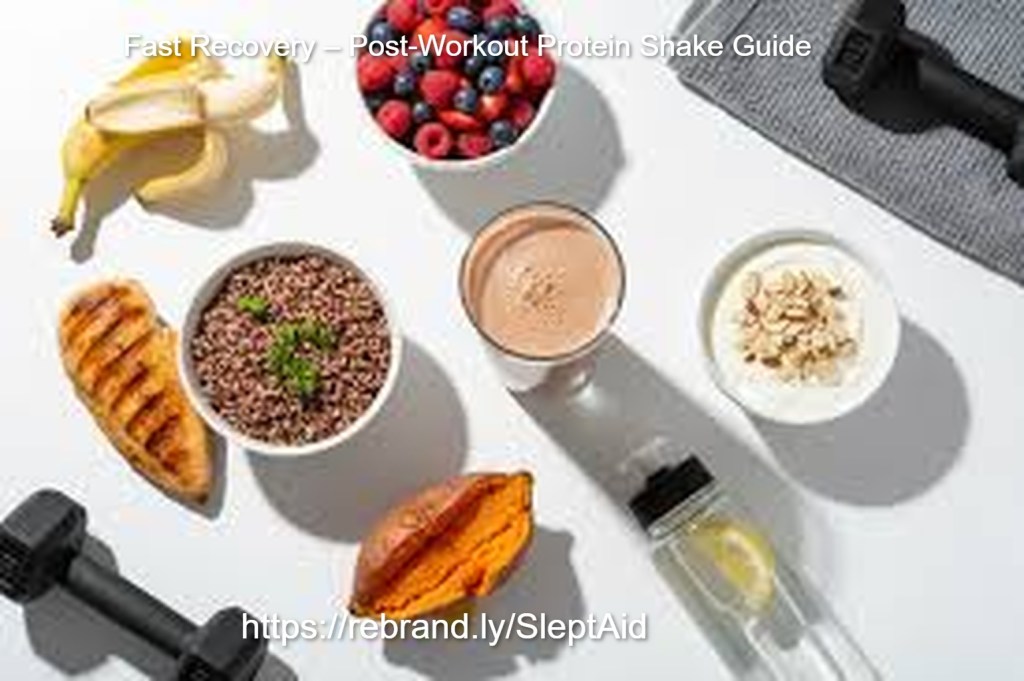
Fast Recovery, After Workouts: Your Post-Workout Protein Shake Guide
Dan, 34, texts me every Monday. “Doc, I’m sore, cranky and awake at 2 a.m. I’m doing everything right!” Then I ask what he drinks after the gym. His answer: “Water. Sometimes nothing.”
Here’s a surprise. More protein doesn’t always mean more muscle. A 2018 analysis of 49 studies and 1,863 people found gains levelled off at about 1.6 grams of protein per kilogram of body weight each day.
This guide is for anyone who wants fast muscle recovery, better sleep, fewer cramps and a calmer mind. Discover how much protein you need. Learn when to drink your shake. Find out which ingredients help and which ones waste your money.
Ready to recover faster? Let’s start.
Sleeping poorly or cramping after workouts? Click to learn how magnesium, an essential mineral, fits into your recovery routine.
Fast Muscle Recovery Starts Before You Leave the Gym
Mei Ling, 29, trained five days a week. She lifted hard. She ate well at dinner. Yet her workout results stalled for months.
She made one change. She added a 20-gram protein shake within two hours of training and went to bed an hour earlier. Six weeks later she added weight to her squat for the first time since spring.
Here’s what I tell every patient. Training doesn’t build muscle. Recovery does. Your workout damages muscle fibres. Food and sleep rebuild them stronger.
In short: Recovery decides your results. A smart post-workout protein shake gives your body the building blocks.
Your turn: How do you recover after a hard session today? Tell me in the comments.
Muscle Repair and Recovery: Why Your Body Stalls After Exercise
Hard training tears tiny holes in your muscle fibres. Protein for muscle repair patches them. Skip it, and your body rebuilds slowly.
What does the research say?
- Daily total matters most. Morton and colleagues (2018) pooled 49 trials. Protein supplements raised strength and muscle mass during resistance training. Benefits stopped at about 1.62 g/kg a day.
- Targets are clear. The International Society of Sports Nutrition (Jäger et al., 2017) recommends 1.4 to 2.0 g/kg a day to build and keep muscle. That’s about 105 to 150 grams for a 75 kg person.
- Each meal counts. Aim for 0.25 g/kg, or 20 to 40 grams, per meal.
- The “30-minute window” is softer than you think. Schoenfeld and Aragon (2013) reviewed the evidence. They say the window’s importance, and even its existence, “can vary” by person.
So don’t sprint out of the gym with a blender in your hand. Do get protein in, and spread it across your day.
In short: Total daily protein leads. Timing supports.
Your turn: Do you track your protein intake? Share your daily target below.
Muscle Cramps, Poor Sleep and Stress: The Recovery Pain Points
You know the signs of poor recovery after exercise:
- Soreness that lasts three days
- Cramps that grab your calf at midnight
- Restless sleep after an evening session
- Stress that sticks around after training
- Workout results that refuse to budge
Take cramps. Most people blame salt loss and dehydration. Martin Schwellnus reviewed the evidence and found weak support for that idea. He argues that tired nerves and muscles are the stronger explanation. Training harder than your body is ready for is a likelier culprit.
Sleep ties it together. In a 2012 study, researchers gave 16 young men a casein protein drink before bed after evening lifting. Overnight protein synthesis rose compared with a placebo. Your muscles keep working while you sleep.
I also see this in clinic. People who sleep badly tell me they feel more anxious and more tired. Recovery isn’t only about muscle. It’s about your whole day.
In short: Cramps, poor sleep and slow progress often share one root: under-recovery.
Your turn: Which pain point bothers you most? Name it, and I’ll point you to the fix.
Best Protein Shake After Workout: Protein, Fluids, Sleep and Magnesium
Here is what works, one piece at a time.
1. Whey Protein After Workout or a Plant Based Protein Shake?

Both work. Mark Messina’s 2018 meta-analysis of nine trials and 266 people found soy and animal protein gave similar gains when people also lifted weights. His finding: “There was no difference in muscle strength.” Pick whey if you tolerate dairy. Pick soy if you don’t.
2. Protein Timing
Have your shake within a couple of hours after training. Then eat protein every three to four hours, as the ISSN suggests.
3. Hydration and Muscle Recovery
Shirreffs and colleagues (2007) gave men 150% of the weight they lost in sweat. Only the carbohydrate-electrolyte drink returned them to their starting hydration after four hours. Plain water fell short. The researchers point to sodium. My take: pair your shake with a salty snack or an electrolyte drink after long, sweaty sessions.
4. Magnesium: Hype or Help?
Be careful here. A Cochrane review found magnesium is unlikely to prevent cramps in older adults with idiopathic cramps (moderate-certainty evidence). It found no trials on exercise cramps. For sleep, a small trial of 46 older adults with insomnia found 500 mg a day for eight weeks lowered insomnia scores. That’s promising, not proven. Ask your doctor before you supplement.
5. Pre-Sleep Protein
The ISSN says 30 to 40 grams of casein before bed may boost overnight muscle building. Try it after late sessions.
In short: Hit your daily protein, drink fluids with sodium, and protect your sleep.
Your turn: Whey or plant-based? Tell me which you use and why.
Watch this video: Want Faster Muscle Recovery? Try This Fast Recovery – Post-Workout Protein Shake Guide!
Real People, Real Gym Recovery Stories: Fitness for Beginners to Seasoned Lifters
These seven stories are composite examples based on common patient experiences. Names and details are changed.
- Dan, 34, sales manager. He drank only water after workouts and slept badly. A post-workout shake and a fixed bedtime cut his soreness within a month.
- Mei Ling, 29, designer. Her lifts stalled. A 20-gram shake after training broke her plateau in six weeks.
- Raj, 41, dad of two. Dairy upset his stomach. He switched to a soy shake and kept his strength gains.
- Sarah, 52, runner. Night cramps worried her. She trimmed her weekly mileage, added a salty snack after long runs and saw cramps fade.
- The Lim family, Singapore. Father and teenage son batch-blend homemade protein shakes on Sunday. Both train harder and spend less than on store-bought drinks.
- Marcus, 45, coach. Late-night sessions left him wired. A casein shake before bed and a cooler bedroom helped him sleep and feel calmer.
- Aisha, 26, vegan student. On a tight budget, she blends soy milk, oats and fruit. Her recovery and mood both improved.
In short: Different goals, same fix. Small recovery habits compound.
Your turn: Which story sounds most like you? Share your own recovery story below.
Homemade Protein Shake Recipes: Your Post-Workout Routine
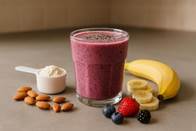
This is the moment to act. Blend one of these healthy protein shake recipes. Check your label, and aim for 20 to 40 grams of protein.
1. Classic whey recovery shake
- 1 scoop whey protein
- 1 banana
- 250 ml milk
- 1 tablespoon peanut butter
- Ice
2. Plant-based post-workout smoothie
- 1 scoop soy protein
- 250 ml soy milk
- 1/2 cup frozen berries
- 2 tablespoons oats
3. Night-time casein shake
- 1 scoop casein, aiming for 30 to 40 grams of protein
- 250 ml milk
- 1 teaspoon cocoa
- Pinch of cinnamon
Now build the routine:
- Drink your shake within two hours of training.
- Add water or an electrolyte drink, plus a salty snack after long, sweaty sessions.
- Eat a balanced meal within a few hours.
- Protect your sleep. Keep a steady bedtime.
Keep sugar low. Skip shakes with long ingredient lists you can’t pronounce.

Your turn: What ingredient will you add to your shake? Tell me below.
Want deeper sleep and calmer stress alongside faster recovery? Click to find out whether magnesium, an essential mineral, is missing from your routine.
Recovery After Exercise: Key Takeaways for a Healthy Lifestyle
You don’t need a cupboard of supplements. You need a plan you repeat. A simple post-workout protein shake, steady fluids and solid sleep build muscle and calm your mind.
Key takeaways
- Hit about 1.4 to 2.0 g/kg of protein a day. Gains level off near 1.6.
- Spread protein across meals, 20 to 40 grams each.
- Whey and soy both support strength gains.
- Drink fluids with sodium after long, sweaty sessions.
- Don’t expect magnesium to cure cramps. Evidence is mixed.
- Protect your sleep. Try casein before bed after late sessions.
Think about it: What’s the one recovery habit you’ll start this week? And who in your gym crew needs this guide?
Start Your Fast Recovery Plan Today
Don’t wait for your next session. Do this now:
- Work out your daily protein target: your weight in kg times 1.4 to 2.0.
- Pick one recipe above and buy the ingredients.
- Set a bedtime alarm tonight.
- Comment below with your target and your favourite shake.
- Share this guide on Instagram or WhatsApp with your training partner.
Read next: Workout Recovery Secrets for Enhanced Sleep and Lower Stress and 5 Weight-Bearing Exercises to Strengthen Your Bones and Boost Your Fitness Journey
Frequently Asked Questions: Post-Workout Protein Shakes
Q1 -What is the best protein shake after a workout?
The best one fits your diet. Whey works if you tolerate dairy. Soy works if you don’t. Aim for 20 to 40 grams of protein.
Q2 -When should I drink a post-workout protein shake?
Within a couple of hours of training works well. Total daily protein matters more than the exact minute.
Q3 -How much protein do I need after exercise?
The ISSN suggests 0.25 g/kg per meal, or 20 to 40 grams.
Q4 -Is plant-based protein as good as whey?
A 2018 meta-analysis found soy and animal protein gave similar strength and muscle gains with resistance training.
Q5 -Do protein shakes stop muscle cramps?
Not reliably. Researchers think tired muscles and nerves drive most exercise cramps. Build training load gradually.
Q6 -Does magnesium help recovery and sleep?
Evidence is mixed. A Cochrane review found it unlikely to prevent cramps in older adults. A small trial showed better sleep scores. Ask your doctor first.
Q7 -Should I drink a protein shake before bed?
It can help after evening sessions. The ISSN says 30 to 40 grams of casein may boost overnight muscle building.
Q8 -What should I drink to rehydrate after a workout?
Drink more than you lost, and include sodium. In a 2007 study, only a carbohydrate-electrolyte drink restored hydration after four hours.
References
- Morton et al., 2018, British Journal of Sports Medicine: protein supplementation and resistance training (meta-analysis)
- Jäger et al., 2017, ISSN position stand on protein and exercise (summary)
- Schoenfeld and Aragon, 2013: Nutrient timing revisited
- Messina et al., 2018: soy vs animal protein and muscle (news report)
- Schwellnus: causes of exercise-associated muscle cramps, British Journal of Sports Medicine
- Pre-sleep protein and overnight recovery, Medicine & Science in Sports & Exercise, 2012
- Shirreffs et al., 2007: rehydration after exercise in the heat
- Cochrane review: magnesium for skeletal muscle cramps
- Abbasi et al.: magnesium supplementation and insomnia in older adults
For more reading on muscle recovery:
- Magnesium for Muscle Recovery: The Science, Benefits & Testimonials
- Optimize Muscle Recovery: Foam Rolling, Stretching, & Hydration Tips
- 4 Easy Vegetarian Recipes for Sore Muscle Recovery
- Fast Muscle Soreness Recovery: Proven Post-Workout Techniques
- 5 Post-Exercise Recovery Smoothie Recipes for Muscle Repair and Energy Replenishment
- Cherries: Your Secret to Better Sleep and Recovery
- Top 10 Foods for Faster Muscle Repair | Expert Recommendations Included
- Maximize Your Fitness Recovery: The Science Behind Rest Days
- 5 Essential Post-Exercise Recovery Techniques for Peak Fitness
- How Proteolytic Enzymes Contribute Greatly to Our Muscle Health


