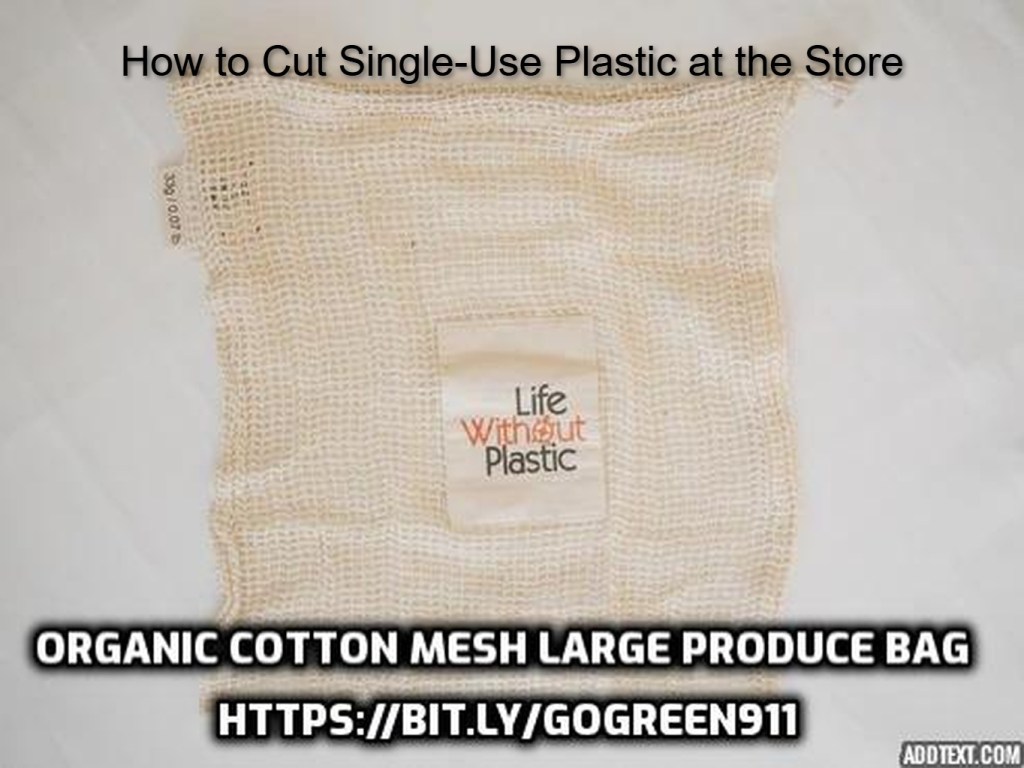
How to Cut Single-Use Plastic at the Store, One Aisle at a Time
Last month, I stood in a checkout line and counted. My cart held 14 items. Eleven came wrapped in plastic. I had a tote bag. I still felt beaten.
Then I remembered a number that gives me hope. In 2014, the average person in England took home 140 single-use plastic bags from the main supermarkets. By 2019 to 2020, that number fell to four (UK Government). Shoppers can change fast.
This guide is for eco-conscious consumers who want to reduce household plastic waste. Discover how to avoid plastic packaging in every aisle with sustainable shopping tips. Learn how to reduce plastic waste with swaps that work. Find out what the research says. You get real stories, honest trade-offs, a simple store routine, and an FAQ.
Heading to the store soon? Click to discover creative ways to shop plastic free and build earth-friendly habits into your weekly routine.
Problem: Why Plastic Packaging Fills Your Cart Before You Reach the Checkout
You bring your own bags and practice eco conscious shopping. You skip the straw. Yet plastic keeps landing in your cart.
The reason is packaging. About 40 percent of the world’s plastic waste comes from packaging, according to OECD data (Our World in Data).
The produce aisle shows how bad it gets. US PIRG researchers surveyed 40 grocery stores in five US cities. They found 81 percent of the produce they checked came in plastic. Only 12 percent came plastic-free (PIRG).
Brand audits tell the same story. In 2023, 8,804 volunteers in 41 countries collected and counted 537,719 pieces of plastic waste (Break Free From Plastic).
In short: most plastic comes from packaging, and the store decides much of it before you shop.
Your turn: Which aisle frustrates you most? Tell me in the comments.
Pain Points: Why Plastic Free Shopping Feels So Hard
You are not imagining the struggle to reduce plastic consumption. These barriers are real:
- Pre-packed produce. The UK charity WRAP studied apples, bananas, broccoli, cucumbers, and potatoes for 18 months. Plastic wrap made little or no difference to shelf life. It also pushed shoppers to buy more than they needed (Neighbourhood Retailer).
- Plastic bags in the bulk aisle. Some health rules require stores to offer disposable bags or tubs (Grist).
- “Bags for life” piles. UK supermarkets sold 1.58 billion durable plastic bags in 2019 (CNN via KSL).
- Few refill choices. Reusable packaging made up just 2 percent of packaging among Ellen MacArthur Foundation signatories (Packaging World).
- Special trips. University of Michigan professor Shelie Miller warns that dedicated trips just to cut packaging can backfire (AP via The Star).
In short: the system makes plastic the easy choice. You can still outsmart it.
Your turn: Which barrier stops you? Share it below.
Watch this video: How to Cut Single-Use Plastic at the Store – 7 Simple Swaps That Make a BIG Difference!
Real-Life Stories: How Seven Shoppers Made Eco-Friendly Grocery Shopping Work
Dalia, marketing manager. Dalia grabbed pre-wrapped produce out of habit. She switched to loose fruit and vegetables and bought only what she needed. Less spoiled food ended up in her bin.
Hiro and Mei, retired couple. They tried bulk food shopping with their own jars. The trips take longer now. They say the slower pace feels like a walk, not a chore.
The Reyes family, three kids. The children became “plastic detectives.” They hunt for cardboard and glass options on each trip. Shopping turned into a game, and arguments dropped.
Amara, student on a budget. Amara thought eco shopping cost too much. She reuses the bags she owns and buys loose items at the market. Her budget did not suffer.
Jonas, busy delivery driver. Jonas has no time for special trips. He now refills his bottle at one store on his regular route. He feels good that the habit costs him no extra effort.
Priyanka, new mom. She wanted fewer plastic wrappers around her baby’s food. She buys loose produce and washes it at home. She says she feels calmer in the kitchen.
Mr. Osei, 67. Carrying heavy glass jars hurt his wrists. He chose lightweight mesh bags for produce and kept glass for small items. Shopping feels doable again.
Your turn: Which shopper feels closest to you? Share your first store swap in the comments.
Exploration: Sustainable Grocery Swaps for Every Aisle, Backed by Research
Let’s walk the store together. Think of it as eco-friendly shopping plus sustainable living tips. These grocery shopping hacks and plastic-free alternatives show how to shop sustainably without a perfect plan. : zero waste tips for beginners
At the Checkout: Reusable Grocery Bags and Alternatives to Plastic Bags

Bag charges work. England’s 5p charge cut single-use bag sales in major supermarkets by more than 95 percent after 2015 (UK Government). Your own reusable shopping bags matter only if you reuse them. A durable polypropylene bag needs about 10 to 20 uses to beat a single-use bag (CNN via KSL). Use what you already own.
The Produce Aisle: Reusable Produce Bags and Loose Fruit

Choose loose produce when you can. WRAP’s chief executive Marcus Gover said plastic wrap “doesn’t necessarily prolong the life of uncut fresh produce” (Neighbourhood Retailer). Keeping food below 5°C mattered more. Pack lightweight reusable produce bags. Organic cotton mesh bags work well, but a Danish study found organic cotton carries a bigger footprint per bag, so use them for years (The Conversation).
Bulk Food Shopping and Zero Waste Shopping

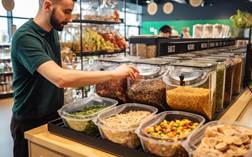
Bring clean jars or bags. Weigh the empty container first, then fill it. Rules vary. Some stores require a cashier to inspect your container (Grist). Researcher Miller says bulk can also help you buy only what you need (AFP via Phys.org).
Cleaning and Personal Care Refills
Refills cut bottles at the source. SC Johnson and European retailers rolled out more than 700 in-store refill machines (Packaging Strategies). Refill when it fits your normal route.
Choose Smarter Packaging
Pick cardboard, paper, or glass over plastic film when you have a choice. PIRG researchers suggest these as non-plastic options (PIRG). Only 9 percent of plastic waste gets recycled worldwide (OECD). So avoid the plastic first.
Speak Up: Plastic Pollution Solutions Start with Stores
Brand audit researchers found 56 companies caused over half of branded plastic waste, and recycling alone cannot fix it (Inquirer). Ask your store manager for loose produce and refills.
In short: carry, choose loose, bring containers, pick better packaging, and speak up.
Your turn: Which aisle will you tackle first?
Climax: Your 5-Step Routine for Plastic-Free Grocery Shopping
Here is the key moment. You do not need to quit plastic overnight to build a plastic-free lifestyle. You need a routine that fits your week.
- Prep by the door. Keep reusable bags, produce bags, and a jar or two where you will see them.
- Start in produce. Choose loose fruit and vegetables. Buy only what you will eat.
- Use bulk or refills only on your normal route. Skip special trips.
- Compare packaging. Pick cardboard, paper, or glass over plastic film.
- Store it cool at home. WRAP found that keeping produce below 5°C extended freshness far more than plastic wrap did (Neighbourhood Retailer).
Track your wins. Count the plastic items you skip each trip. These simple ways to reduce plastic build everyday eco friendly habits. Over time they become sustainable consumer habits and plastic waste reduction tips you share.
In short: five small steps beat one big promise.
Your turn: Which step is easiest for you? Which one needs work?
Make plastic free shopping your new routine. Click to find simple, everyday eco friendly habits to carry from the checkout to your kitchen.
Conclusion: Key Takeaways on How to Cut Single-Use Plastic at the Store
Learning how to cut single-use plastic at the store comes down to a few habits. Plastic free shopping is about choices you repeat, not perfection. That is a zero waste lifestyle in practice, and one of the simple ways to save the planet. Every choice supports environmental sustainability and environmentally friendly habits. Pair them with other green living tips.
- Packaging drives about 40 percent of plastic waste.
- Bag charges work. Reuse the bags you own.
- Choose loose produce and buy only what you need.
- Use bulk and refills when they fit your route.
- Pick cardboard, paper, or glass over plastic film.
- Ask your store for better options.
Think about it: What is one aisle where you could skip plastic this week? What store change would you ask your manager to make? Drop your answers below.
Call to Action: Start Your Plastic Free Shopping Plan Today
Don’t wait for your next big shop. Do these three things in the next 24 hours:
- Put your reusable bags and one produce bag by the door.
- Write “loose produce” at the top of your shopping list.
- Tell us in the comments which aisle you will tackle first.
Know a fellow eco-minded shopper? Share this post on Facebook, WhatsApp, or Instagram. : green living tips for every room
Frequently Asked Questions About Plastic Free Grocery Shopping
How do I cut single-use plastic at the store?
Prep your bags, choose loose produce, use bulk or refills on your normal route, compare packaging, and store produce cool at home.
Do plastic bag charges really work?
Yes. England’s charge cut single-use bag sales in major supermarkets by more than 95 percent between 2015 and 2020 (UK Government).
Does plastic wrap keep produce fresh?
Not much, according to WRAP’s 18-month study of five items. Plastic made little or no difference to shelf life for most of them. Cold storage mattered more (Neighbourhood Retailer).
Can I bring my own containers to a bulk store?
Often yes, but rules vary by store and region. Some require a cashier to inspect your container (Grist). Ask first.
Are cotton or organic cotton mesh bags better than plastic?
Only if you reuse them many times. A Danish study found cotton bags need a very high number of uses, and organic cotton more (The Conversation). Use what you own for years.
Is recycling enough to solve plastic pollution?
No. Only 9 percent of plastic waste is recycled worldwide (OECD). Reduce and reuse first.
Do refill stores really help?
They can, when they replace single-use packaging and fit your usual route. Special trips can erase the benefit, says researcher Shelie Miller (AP via The Star).
References
- UK Government (2020). Plastic carrier bag sales slashed by more than 95%
- OECD (2022). Global Plastics Outlook. Press release and Our World in Data on packaging
- US PIRG Education Fund. Plastic in Our Produce Aisle, via PIRG
- WRAP (2022). 18-month fresh produce packaging study, via Neighbourhood Retailer
- Break Free From Plastic (2024). 2023 Global Brand Audit
- Inquirer on branded plastic polluters study (2024)
- CNN via KSL. How many times to reuse reusable bags (UNEP 2020 and Danish EPA 2018 studies)
- Thornton T, Deakin University. The Conversation
- Grist. Reuse and refill containers
- AP via The Star (2026). How refill stores are changing the way we reduce waste
- AFP via Phys.org (2023). US refill shops cut the container
- Packaging World. Ellen MacArthur Foundation on reusable packaging
- Packaging Strategies. SC Johnson refill machines
For more reading on green living:
- Travel Sustainably: Benefits of Bamboo Utensils
- Why Bamboo Utensils Are Essential for Eco-Friendly Eating
- Switch to Bamboo Utensils for a Sustainable Future
- Why Bamboo Utensils Are Essential for Eco-Friendly Living
- Ultimate Guide to Sustainable Food Wraps
- Ditch Plastic Wrap: Embrace Vegan Wax Wraps Today
- Top 10 Reasons to Get A Stainless Steel Tumbler: Boost Your Hydration Game Anywhere
- Stainless Steel Tumbler: The Ultimate Guide to Sustainable Hydration
- Embrace Eco-Friendly Dining with the Stainless Steel Folding Spork
- Sustainable Shopping with Organic Cotton Flat-Bottom Bulk Bags
- The Benefits of Using Organic Cotton Mesh Bags for Storing Produce
- Beyond BPA: Why Choosing BPA-Free Stainless Steel Thermoses Matters
Click HERE to find reusable mesh bags and practical tools to reduce plastic in your routine