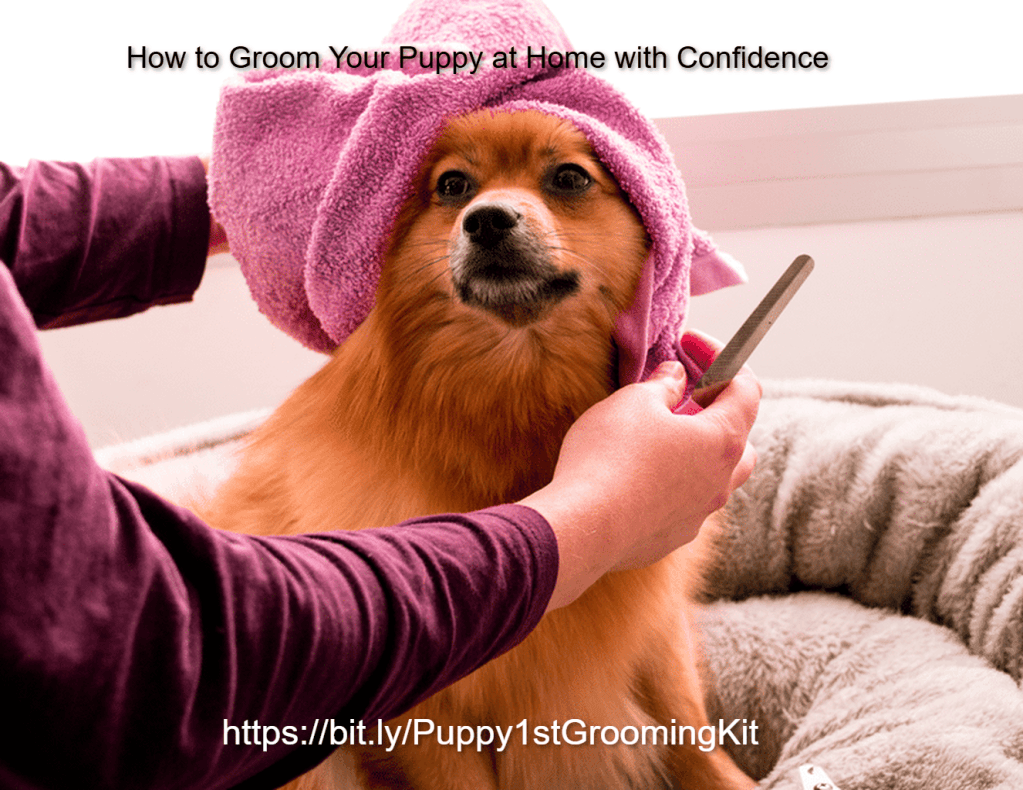
Last spring, a client named Hana carried her cockapoo puppy, Biscuit, into my clinic. She had a brush, clippers, and shampoo. She also had a shaky voice. “I’m too scared to use any of it,” she told me.
I hear that a lot. Here is the surprising part. Cornell’s Riney Canine Health Center says 80 to 90 percent of dogs over age 3 have some periodontal disease (Cornell). Puppy grooming at home, starting with teeth, helps prevent that.
This guide is for people who want effective, engaging ways to groom their dogs at home. Discover how to bathe, brush, trim nails, and clean ears. Learn how to keep sessions calm. Find out how often to groom a puppy. You get a beginner puppy grooming guide, real stories, and an FAQ.
Ready to groom your puppy at home? Click to discover easy, step-by-step tools and tips for a calm first bath, brush, and nail trim.
Problem: Why Puppy Grooming at Home Feels Hard (and Why It Matters)
Your puppy wriggles. The clippers buzz. The bath splashes everywhere. So you skip it and hope for the best.
Skipping has a cost. Dog grooming at home pays off in health. Home grooming gives you frequent, hands-on chances to catch health problems early (AKC). Regular brushing also helps control shedding and prevent mats.
Timing matters too. Puppies learn fast between about 3 and 14 weeks of age. Purdue’s canine welfare center says the handling puppies get now can create lifelong good or bad associations, including during grooming (Purdue).
Stress is real. A 2022 case study in the Brazilian Journal of Animal Science tracked 55 salon grooming sessions. Bathing and drying raised dogs’ heart and breathing rates, and blower noise triggered stress signs (Groomer to Groomer summary). The study was small, but the lesson is clear. Go slow.
In short: puppy grooming is a health habit, and your puppy’s first experiences shape it.
Your turn: What scares you most about grooming your puppy? Tell me in the comments.
Pain Points: Puppy Grooming Mistakes That Make Everything Harder
Good intentions still go wrong, even in puppy grooming for beginners. Watch for these puppy grooming mistakes:
- Using human shampoo. Dog and human skin differ in pH. Human products, even baby shampoo, can dry and irritate dog skin (Great Pet Care).
- Bathing too often. Most healthy dogs need a bath every one to three months (EthosVet).
- Cutting the quick. It hurts and bleeds. Keep styptic powder nearby (PetMD).
- Using cotton swabs in the ears. Vets say never. Swabs can push wax deeper and damage the eardrum (PetMD).
- Brushing teeth once a week. A beagle study found daily brushing worked best, and weekly brushing had minimal effect (dvm360).
- Doing everything on day one. AKC suggests starting nail care by trimming one or two nails at a time (AKC).
In short: gentle, short sessions beat big ones.
Your turn: Which mistake have you made? Share it below. Nobody judges.
Watch this video: First-Time Puppy Owner? Learn How to Groom Your Puppy at Home with Confidence!
Real-Life Stories: How Seven Owners Built Stress-Free Puppy Grooming Routines
Hana and Biscuit, cockapoo. Hana froze at the sight of clippers. She started with five-minute sessions and a treat for every touch. Biscuit now leans into the brush.
Mr. Rahman and Mochi, shih tzu. Mr. Rahman, 68, fought tangles for weeks. He now brushes for a few minutes each day. Mochi’s coat stays smooth, and they enjoy the quiet time together.
The Okafor family and Tank, Labrador. Three kids, one muddy pup. Each child has a job: towel holder, treat giver, or brush helper. Bath day became a family event.
Chloe and Pickle, French bulldog. Chloe, 24, lives in a small flat. Her vet showed her how to check Pickle’s ears weekly. She spots redness early and calls the clinic.
Wei Jie and Ollie, miniature poodle. Wei Jie feared hurting Ollie’s nails. He touched the paws daily first, then trimmed one nail at a time. Ollie now naps through it.
Mrs. Alvarez and Luna, shy rescue. Luna trembled at the hair dryer. Mrs. Alvarez switched to towel drying and short, quiet sessions. Luna trusts her more every week.
Dani and Mango, Pomeranian. Dani, 19, uses grooming as bonding time. She brushes Mango’s teeth with a finger brush after dinner. Mango now opens wide.
Your turn: Which story feels closest to yours? Share your puppy’s grooming routine in the comments.
Exploration: Puppy Grooming Step by Step, from Brushing to Dental Care
Let’s walk through how to groom a puppy, one task at a time. These dog grooming tips and puppy care tips come from vets and groomers. This puppy grooming step by step plan suits dog care for beginners. : first time puppy owner tips
Grooming Tools for Puppies: Your Starter Kit
A vet-written checklist lists a brush for your puppy’s coat type, puppy-safe shampoo, nail clippers or a grinder, ear cleaner, and a toothbrush with dog toothpaste (Dr. Duncan Houston, Ask a Vet). The best puppy grooming products are the simple, dog-specific ones.
How to Brush Puppy Fur: Puppy Brushing Techniques

Start with short, calm sessions for puppy coat care. Brush gently with the lie of the coat. Consistent brushing controls shedding, prevents mats, and lets you check skin (AKC). Your puppy’s coat is softer than its adult coat, so check often for tangles (Bow Wow Insurance).
How to Bathe a Puppy: Puppy Bath Tips
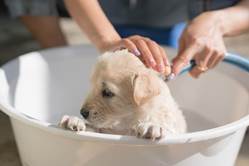
- Brush out knots first.
- Wet the coat, then lather dog shampoo. Keep it out of eyes and ears (Royal Canin).
- Rinse very well.
- Towel dry. Use a hair dryer on low only for dense coats (Dutch).
The 2022 salon study linked cuddling during baths with fewer falls (Groomer to Groomer). For a puppy bathing routine, stay near one to three months between baths.
How to Trim Puppy Nails: Puppy Nail Trimming Basics
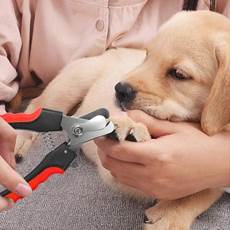
Handle paws daily. Then trim one or two nails at a time (AKC). If nails click on hard floors, they need a trim. Many dogs need one every 2 to 4 weeks (1-800-PetMeds). Dr. Gamm says: “With dark nails, you often can’t see the quick” (Chewy). Trim a little at a time. Keep styptic powder handy.
Puppy Ear Cleaning Made Simple
Use a vet-approved ear cleaner and cotton balls. Never use swabs. If you see redness, odor, pain, or heavy debris, stop and call your vet (PetMD).
Puppy Dental Care and Your Puppy Hygiene Routine
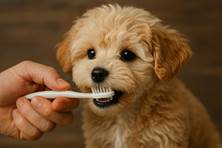
Cornell recommends daily brushing with veterinary dog paste. Human paste has detergents and fluoride (Cornell). Groomer Elaina Bushee says to start your dog young (Just Food for Dogs). Let your puppy lick the brush first. Dental chews cannot replace brushing (AMC).
In short: brush, bathe sparingly, trim gently, clean ears carefully, and brush teeth daily.
Your turn: Which task is hardest for you? Which will you try this week?
Climax: Your Positive, Stress-Free Puppy Grooming Routine in 5 Steps
Here is the key moment. Skill matters less than calm. Positive puppy grooming builds healthy puppy habits. This routine makes puppy grooming easy.
- Set up a quiet spot. Lay out tools and treats first.
- Touch before tools. Handle paws, ears, and mouth daily. Pair each touch with a treat. Vetstreet suggests pairing a cue word like “ears” with a gentle touch (Vetstreet).
- Introduce tools slowly. Let your puppy sniff the clippers. Run the grinder without trimming (AKC).
- Keep it short. Stop while your puppy still feels good.
- End with a win. Give a treat or play. This builds puppy bonding activities into your routine.
How often to groom a puppy:
- Teeth: daily
- Brushing: a few times a week, or daily for long coats
- Ears: check weekly
- Nails: every 2 to 4 weeks
- Bath: every 1 to 3 months
These are general ranges. Ask your vet about your puppy’s breed and coat.
In short: touch, tools, treats, and tiny sessions build trust.
Your turn: Which step will you start with tonight?
Want puppy grooming to feel stress-free? Click to learn how to build a gentle at-home routine your puppy will love.
Conclusion: Key Takeaways for a Happy, Healthy Puppy at Home
Puppy grooming at home builds a happy healthy puppy and a stronger bond. You do not need professional dog grooming tips to begin. You need patience, treats, and a plan.
- Teach touch first, tools second.
- Use dog-specific shampoo and bathe every 1 to 3 months.
- Trim a little at a time and keep styptic powder ready.
- Never use cotton swabs in ears.
- Brush teeth daily with dog toothpaste.
- Call your vet about redness, odor, pain, or bleeding that won’t stop.
Think about it: What is your puppy’s biggest grooming challenge? What tip worked best for you? Drop your answers below.
Call to Action: Start Your Puppy Grooming Routine Today
Don’t wait for the next bath day. Do these three things in the next 24 hours:
- Gather your starter kit: brush, shampoo, clippers, ear cleaner, and dog toothpaste.
- Spend five minutes touching your puppy’s paws and ears with treats.
- Tell us in the comments which step you tried first.
Know a new puppy owner? Share this post on Facebook, WhatsApp, or Instagram. : puppy training and care guide
Frequently Asked Questions About Puppy Grooming at Home
Q1- How often should I groom my puppy?
Brush a few times a week, check ears weekly, trim nails every 2 to 4 weeks, and bathe every 1 to 3 months. Brush teeth daily. Ask your vet to tailor this to your breed.
Q2- How often should I bathe a puppy?
Most healthy dogs need a bath every one to three months (EthosVet). More baths can strip natural oils.
Q3- Can I use human shampoo on my puppy?
No. Human shampoo, even baby shampoo, has a different pH from dog skin and can cause dryness and irritation (Great Pet Care).
Q4- How do I trim puppy nails without cutting the quick?
Trim a little at a time and stop when you see a dark dot in the center. Keep styptic powder ready. Call your vet if bleeding lasts more than several minutes (PetMD).
Q5- How do I clean my puppy’s ears?
Use a vet-approved cleaner and cotton balls. Never use cotton swabs. Skip cleaning and call your vet if you see redness, odor, or pain (PetMD).
Q6- When should I start brushing my puppy’s teeth?
Start now by letting your puppy lick and mouth the toothbrush. Cornell advises starting regular brushing once adult teeth emerge (Cornell).
Q7- What if my puppy is scared of grooming?
Go slower. Use short sessions and treats. If fear persists, ask your vet or a groomer who uses reward-based methods (Kinship).
References
- Cornell Riney Canine Health Center. Periodontal disease in dogs
- Animal Medical Center of New York. Periodontal disease in dogs
- dvm360. Evidence behind home dental care (cites Harvey et al., 2015, Journal of Veterinary Dentistry)
- Purdue Canine Welfare Science. Socialization and early exposure
- Brazilian Journal of Animal Science (2022) grooming stress study, via Groomer to Groomer
- AKC. How to groom a dog and nail care
- PetMD. Cleaning dog ears and stopping nail bleeding
- EthosVet. How often to bathe your dog
- Great Pet Care. Bathing and shampoo pH
- Chewy. Dog nail bleeding
- 1-800-PetMeds. Grooming basics for puppies
- Royal Canin. Puppy grooming and hygiene
- Dutch. Puppy grooming
- Ask a Vet. Puppy grooming tips
- Vetstreet. Soothing grooming anxiety
- Kinship. Ethical grooming
- Just Food for Dogs. Dog grooming tips
- Bow Wow Insurance. Puppy grooming tips
Bonus: Click HERE for a Free Report on Dog Grooming Guide
Additional Readings on Dog Care:
- Essential Guide to Dog Nutrition: Feeding Tips for Happy Pets
- Unlock Your Dog’s Health: Essential Grooming Tips
- Effective Dog Weight Management Tips for Healthier Pets
- Top Vet-Recommended Dental Sticks for Optimal Dog Health
- Essential Tips for Running with Your Dog Safely
- Boost Your Dog’s Gut Health with Sauerkraut
- Is Kibble Healthy for Pets? Key Pros and Cons
- Health Benefits of Blueberries for Dogs
- 5 Grooming Tips for a Healthier Pup
- Spotting Dog Health Issues: Key Symptoms and Prevention Tips
- Essential Tips for Pet Disaster Preparedness
- Top 10 Toxic Foods for Dogs You Must Avoid
- Why Probiotics Are a Game Changer for Your Dog’s Health?
- Housebreaking 101: Master Puppy Potty Training in Just Days!
- Managing Your Dog’s Weight: Secrets to a Healthy Pup!
Want to Start Grooming at Home for Your Doggy? Click HERE


