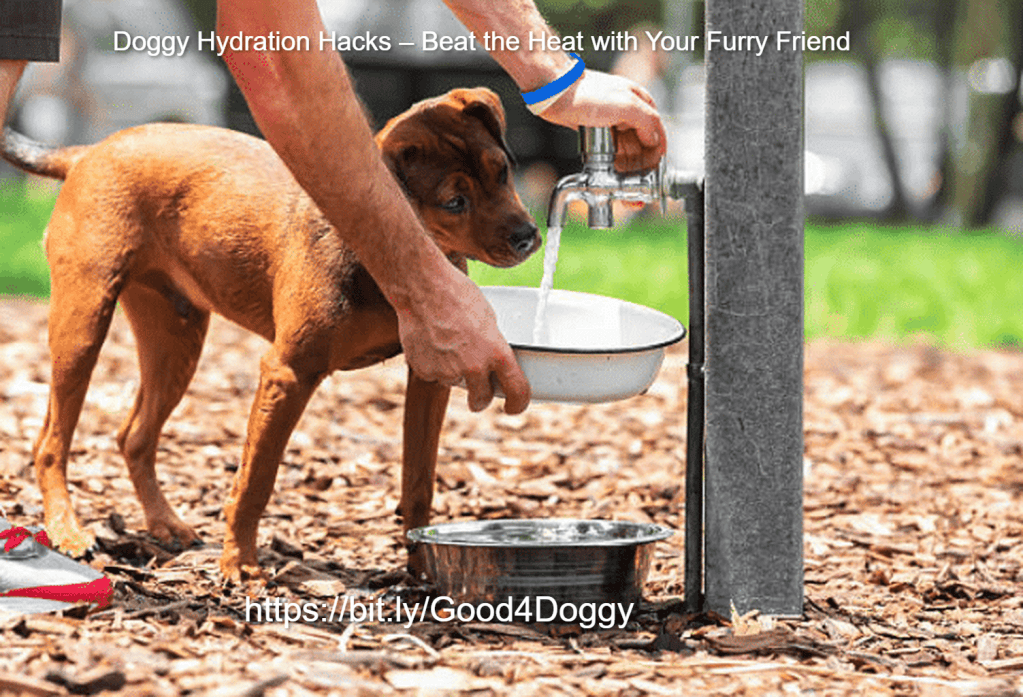
Doggy Hydration Hacks to Beat the Heat with Your Dog
Last July, a client named Priya called me from the park. Her border collie, Milo, had just nailed his recall drill. Then he flopped on the grass, panting hard. She had water in her bag. She had forgotten the breaks.
Here is the surprising part. A study of more than 900,000 UK dogs found that exercise triggered 74.2% of heat-related illness events. Hot cars triggered just 5.2% (Hall et al., Animals, 2020). Training is exercise.
This guide is for people who want effective, engaging ways to train their dogs. Discover how to keep dogs hydrated and cool. Learn the warning signs and dog cooling tips. Find out how to build a simple dog hydration routine for summer. You get real stories, research, a daily plan, and an FAQ.
Want a dog who listens, even on hot days? Click to discover training tips that keep sessions short, cool, and effective.
Problem: Dog Heatstroke Prevention Starts with Your Training Habits
You want a dog who sits, stays, and comes when called. So you drill. You throw the ball. You add one more rep.
Your dog cannot tell you when to stop. Dogs cool themselves mainly by panting, with a little help from their paw pads (AKC Canine Health Foundation). That system overloads fast in hot weather, so dog summer care must start early.
Some dogs face higher risk. A veterinary review lists obesity, weight over 15 kg, the Labrador breed, poor fitness, and no heat acclimation. Flat-faced dogs struggle too (Bruchim et al., Temperature, 2017). Young male dogs had greater odds of heatstroke from exercise (Hall et al., 2020).
The stakes are high. The same AKC article says untreated heatstroke carries about a 50 percent mortality rate. Dr. Otto, a researcher at the Penn Vet Working Dog Center, warns that “high-energy dogs often don’t know when to stop.”
In short: training is exercise, and exercise is the top heat risk.
Your turn: What does your dog do when you pause a training session? Tell me in the comments.
Pain Points: Summer Safety for Dogs Mistakes Most Owners Make
Good owners slip up too, and summer dog safety depends on small fixes. Check this list for dog care for beginners and veterans alike:
- Waiting for panting to offer water. Offer water before your dog asks.
- Leaving one bowl in the sun. Warm water tastes bad, so dogs drink less.
- Walking at noon. Experts at AKC say pavement can be unsafe once the air hits about 85°F (AKC). Press the back of your hand to the ground for about 7 seconds (CityVet).
- Believing the cold water myth. Vets Now calls “cool slowly with tepid water” advice a myth (Vets Now).
- Loading your dog into the car right after play. A car slows cooling.
- Skipping first aid. Vets Now reviewed over 800 heat cases from 2022 to 2023. Only 28% of dogs got cooled before the trip to the clinic.
In short: small habits decide whether a hot day stays fun.
Your turn: Which mistake have you made? No judgment. Share it below so others learn.
Watch this video: 7 Simple Ways to Keep Your Dog Cool and Hydrated: Doggy Hydration Hacks – Beat the Heat with Your Furry Friend
Real-Life Stories: How Seven Dog Owners Built Hot Weather Dog Care Routines
Priya and Milo, border collie. Milo’s recall drill left him wiped out in July. Priya now trains in short bursts, with a water break after each. Milo stays focused longer.
Ahmad and Bruno, pug. Ahmad, 61, learned flat-faced dogs overheat easily. He moved walks to 6 a.m. and swapped fetch for indoor scent games. Bruno snores happily through noon.
The Lim family and Coco, Labrador. Two kids, one big dog. The children check Coco’s bowls each morning and evening. It became their favorite chore.
Jess and Pip, springer spaniel. Jess runs canicross. After runs, she soaks Pip with cool water before they get in the car. Pip recovers faster.
Mrs. Wong and Ginger, senior golden. Ginger’s stiff hips limit long walks. Mrs. Wong now takes shaded paths and offers frozen blueberries afterward. Ginger still greets her at the door.
Elena and Bear, rescue Chow mix. Bear’s thick coat made summer hard. Elena trains indoors on a cool floor and clips short, easy sessions. Bear learns commands without the struggle.
Sam and Daisy, first-time beagle owner. Sam knew little about dog care for beginners. A vet showed him the gum check. Now he spots dry gums early.
Your turn: Which story feels closest to yours? Share your dog’s summer routine in the comments.
Exploration: Dog Hydration Tips and Cooling Methods Backed by Research
Let’s go through the best hydration tips for dogs and keeping dogs cool in hot weather, step by step. These dog owner tips and pet care tips work at any level. dog training basics for beginners
Dog Water Intake: How Much Is Enough?
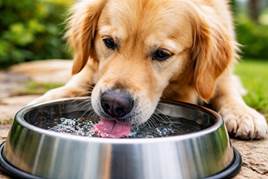
A common guideline is about 1 ounce of water per pound of body weight each day (Purina). Heat, exercise, and dry kibble raise that number. Dogs on wet food may drink less. Offer fresh water for dogs at every session. For dog water bowl tips, set out several bowls, keep one in shade, and refill them often.
Signs of Dehydration in Dogs
Dogs show dehydration when they lose about 3 to 5 percent of their body water. Look for sticky gums, heavy panting at rest, and low energy (Dogster). Try two checks. Lift the lip: gums should feel moist and slippery. Then press a gum: color should return to pink within 3 seconds. Purina warns dehydration is often advanced before skin tenting appears (Purina).
Dog Heat Exhaustion Symptoms and Dog Emergency Care
A normal dog temperature runs 99 to 102.5°F. Above 104°F signals heat stress. Above 105°F means heat exhaustion. Above 106°F is heatstroke and needs emergency care (AKC). Watch for excessive panting, reluctance to move, and collapse. Call your vet right away if you see them (Vets Now).
Read: How to: first aid for heat stroke in pets
How to Keep Dogs Cool: What the Research Says
Researchers at SRUC and the Royal Veterinary College tracked 52 dogs after canicross events. Cold water from 0.1 to 15°C cooled dogs effectively. They saw no hypothermia and no side effects. Dogs placed in cars cooled more slowly. The advice: cool first, transport second (SRUC, 2024).
Dr. Otto’s team found water immersion worked better than rubbing alcohol on paw pads (Animals, 2023). Dog cooling products like mats and vests can help. Water works faster. For older or unwell dogs, wet them down and add a fan.
Dog Safe Frozen Treats and Homemade Dog Treats
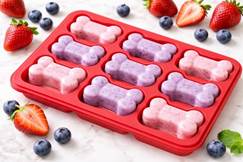
Frozen blueberries, green beans, and small banana chunks make quick treats (AKC). Try plain, xylitol-free yogurt with fruit (AKC Reunite recipe). Skip xylitol, grapes, and raisins (Zoetis Petcare). Read peanut butter labels for xylitol.
In short: water, shade, and early cooling beat guesswork.
Your turn: What is your dog’s favorite cool treat? Share the recipe below.
Climax: Your 5-Step Dog Hydration Routine for Training Days

Here is the key moment. You do not need gadgets. You need a routine you repeat. This plan helps you prevent overheating in dogs and beat the heat with your dog.
- Before you start. Fill a fresh bowl and pick a cool time, like early morning. Check the ground with the back of your hand.
- During training. Keep sessions short. Give water after each drill. Watch for heavy panting and dry gums.
- After training. Cool your dog with water before the car ride. Check paws for redness.
- Reward cool. Offer a dog safe frozen treat, like frozen blueberries.
- All day. Keep fresh water for dogs in shade. Your dog water intake should reach roughly 1 ounce per pound.
This dog hydration routine blends dog nutrition and hydration, and it supports healthy dogs and happy dogs. It also makes dog walking in hot weather safer. Keep a towel and a water bottle in your training bag.
In short: water first, cool early, repeat daily.
Your turn: Which step is hardest for you? Which will you try first?
Train smarter this summer. Click to learn how to build calm, reliable commands, including a water-break cue your dog will follow.
Conclusion: Key Takeaways from These Doggy Hydration Hacks
Doggy hydration hacks work because they fit your day. Responsible dog ownership means planning for heat before it hits. Good dog health and wellness starts with water. So does great furry friend care.
- Exercise, not just hot cars, drives most heat illness in dogs.
- Aim for about 1 ounce of water per pound daily, and more in heat.
- Check gums early to spot signs of dehydration in dogs.
- Cool first with water, then travel.
- Choose dog safe frozen treats and skip xylitol.
- Train in short bursts during cool hours.
Think about it: What is one change you will make before your next training session? What summer care tip would you add for your furry friend? Drop your answers below.
Call to Action: Start Your Summer Dog Care Plan Today
Don’t wait for the next heat wave. Do these three things in the next 24 hours:
- Buy or set out a second water bowl.
- Test your dog’s gums and note what normal looks like.
- Tell us in the comments which hydration tip you will try first.
Know a fellow dog owner? Share this post on Facebook, WhatsApp, or Instagram. [Internal link: pet wellness tips for every season]
Frequently Asked Questions About Dog Hydration and Summer Safety
Q1-How much water should my dog drink each day?
About 1 ounce per pound of body weight is a common guideline. Hot weather, exercise, and dry food raise the amount (Purina). Ask your vet for your dog’s number.
Q2-How do I know if my dog is dehydrated?
Check the gums. Dry, tacky gums or slow color return suggest dehydration. Slow skin tenting is another sign. See your vet if you worry.
Q3-How can I keep my dog cool in hot weather?
Provide shade, fresh water, and cool training times. Wet your dog with cool water after play. Avoid the car until your dog cools down (SRUC).
Q4-Is cold water safe for cooling an overheated dog?
Yes, in the SRUC study. Water from 0.1 to 15°C cooled dogs with no side effects. Call your vet anyway.
Q5-When is pavement too hot for dog walks?
AKC advises that ground can be unsafe once the air hits about 85°F without a chance to cool (AKC). Test it with the back of your hand.
Q6-What frozen treats are safe for dogs?
Frozen blueberries, green beans, and plain xylitol-free yogurt work well. Avoid xylitol, grapes, and raisins.
Q7-What are the signs of heat exhaustion in dogs?
Excessive panting, reluctance to move, and collapse. Start cooling with water and call your vet immediately.
References
- Hall EJ, Carter AJ, O’Neill DG (2020). Exertional heat-related illness in UK dogs. Animals
- Bruchim Y, Horowitz M, Aroch I (2017). Pathophysiology of heatstroke in dogs, revisited. Temperature (PMC)
- SRUC and Royal Veterinary College (2024). Cooling hot dogs after exercise
- Otto and colleagues (2023). Cooling methods for working dogs. Animals (PMC)
- AKC Canine Health Foundation. Head dunk cooling research
- Vets Now. Wet before Vet infographic
- AKC. Dog paws and hot pavement
- CityVet. How hot is too hot for paws
- Purina. Dog hydration guide
- Dogster. Dehydration in dogs
- AKC. Frozen summer treats for dogs
- AKC Reunite and Pet Poison Helpline. Fruit and yogurt popsicles
- Zoetis Petcare. Dog popsicle recipes
Bonus: Click HERE for a Free Report on Dog Grooming Guide
Additional Readings on Dog Care:
- Essential Guide to Dog Nutrition: Feeding Tips for Happy Pets
- Unlock Your Dog’s Health: Essential Grooming Tips
- Effective Dog Weight Management Tips for Healthier Pets
- Top Vet-Recommended Dental Sticks for Optimal Dog Health
- Essential Tips for Running with Your Dog Safely
- Boost Your Dog’s Gut Health with Sauerkraut
- Is Kibble Healthy for Pets? Key Pros and Cons
- Health Benefits of Blueberries for Dogs
- 5 Grooming Tips for a Healthier Pup
- Spotting Dog Health Issues: Key Symptoms and Prevention Tips
- Essential Tips for Pet Disaster Preparedness
- Top 10 Toxic Foods for Dogs You Must Avoid
- Why Probiotics Are a Game Changer for Your Dog’s Health?
- Housebreaking 101: Master Puppy Potty Training in Just Days!
- Managing Your Dog’s Weight: Secrets to a Healthy Pup!
Click HERE to Uncover the Secrets of Having an Obedient, Well-Behaved Pet


